
Teaching People Skills With AI: How Our Role-Play Engine Actually Works
Discover how our AI role-play engine automates sales and customer service training, freeing up your top talent and ensuring consistent skill development. Learn how it works!
Most companies don’t realize how fragile their sales and customer-facing skills are until the one person who “just knows how to handle tough conversations” goes on vacation… or quits.
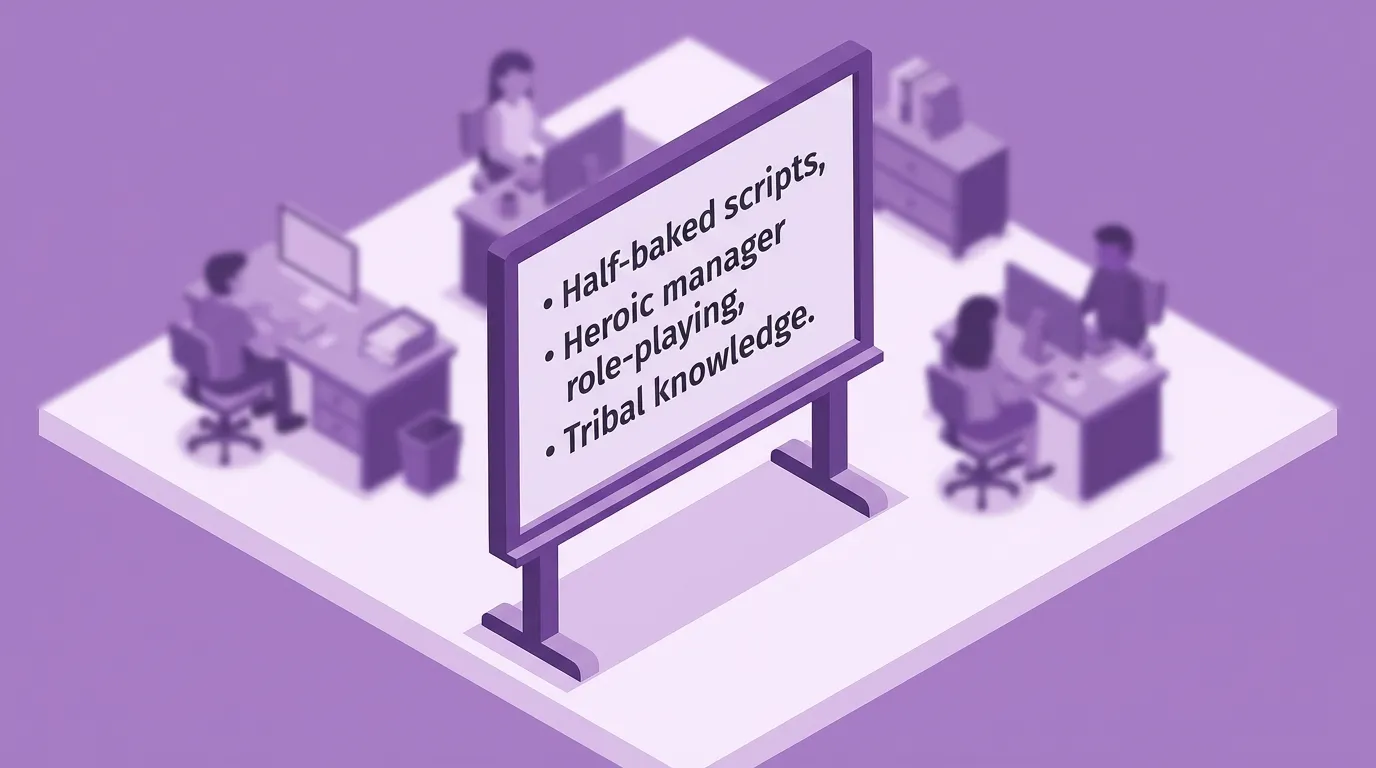
Suddenly you discover your “training program” is really just:
- A few half-baked scripts,
- A heroic manager doing ad-hoc role-plays,
- And a lot of tribal knowledge living in people’s heads.
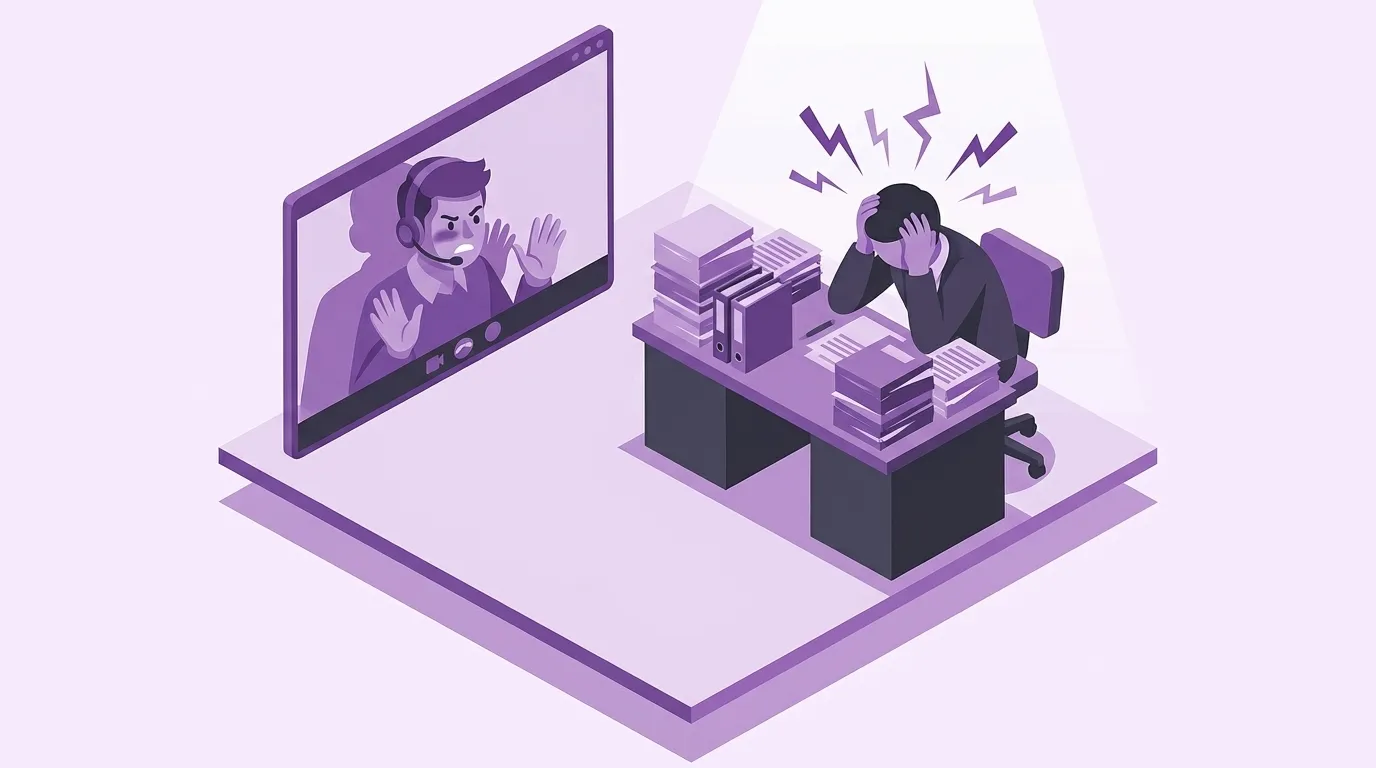
That’s basically where my brother’s company was. He trains salespeople. They were paying $12,000 a year for a training platform that looked good on paper but wasn’t delivering what they needed. Human role-play was eating his best people’s time, and there was no consistent way to measure whether any of it worked.
So he came to us and said:
“Can you build something that lets people practice on demand without tying up my senior team for hours every month?”

What came out of that is an AI role-play engine. It automates the painful parts of role-play so your best people can keep doing their jobs instead of pretending to be grumpy prospects all day.
Let me walk you through what it actually does and why it matters if you’re running a 15–250 person company.
Why classic role-play breaks down
On paper, role-play is great: you pretend to be the buyer, your rep practices the conversation, everyone learns.
In practice, it falls apart in three ways:
-
It’s biased. How “tough” the buyer is depends on whether the manager had coffee, whether they like that rep, what mood they’re in that day. You get gut-feel feedback, but not something you can really compare over time.
-
It burns your most valuable people. The people who should be doing role-play are the same people you can’t afford to pull out of the field: your best sellers, your senior CS folks, your product experts. Take a 10-person sales team. If each rep wants just three hours of role-play per month, that’s essentially a full week of senior time scattered across the calendar, quietly killing their productivity.
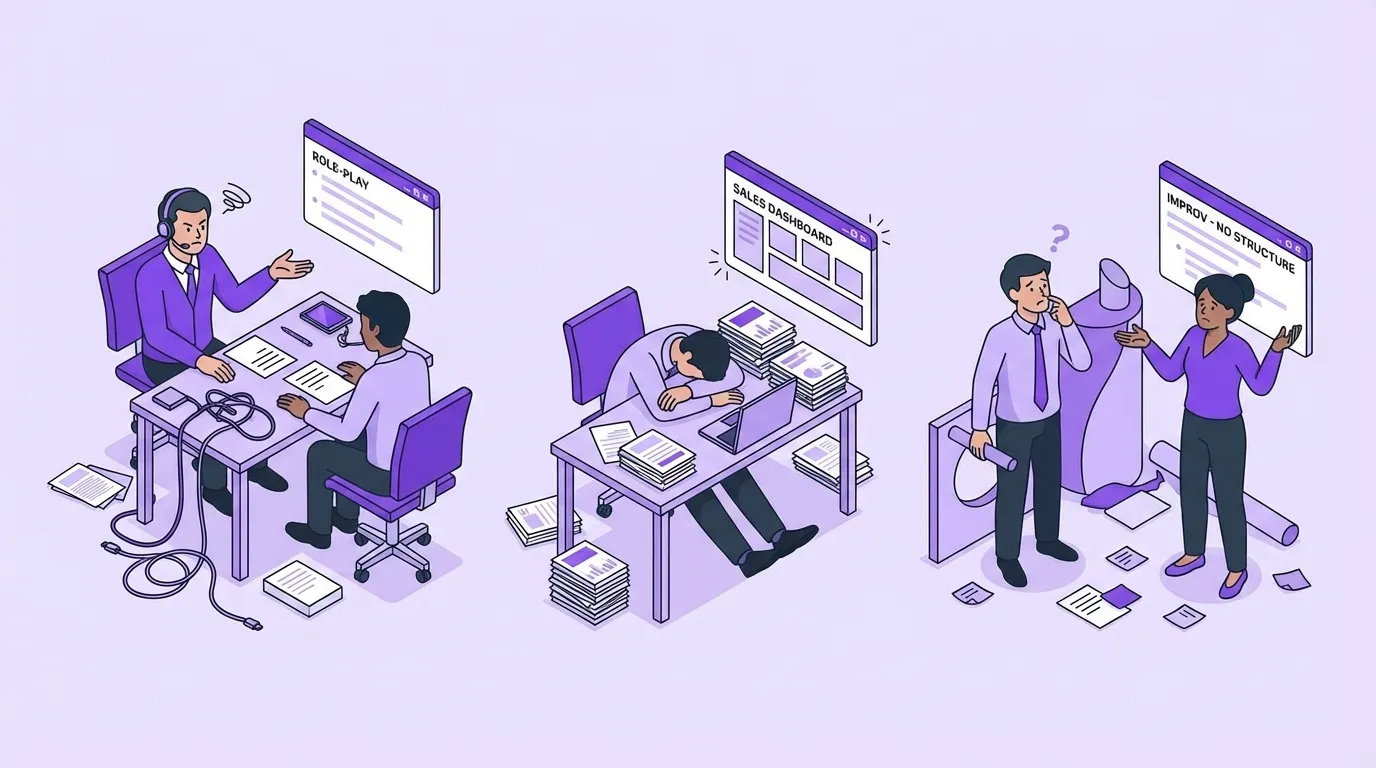
- It doesn’t scale or stay consistent. Every human role-play is a one-off performance. People improvise, forget details, drift into odd tangents, or unconsciously let reps off the hook. There’s no “repeatable boss fight” reps can come back to and try again.
That’s the problem we set out to solve: keep the human part (realistic conversations, emotions, objections), but get rid of the time sink and inconsistency.
What we actually built
If I had to explain it in one breath:
The AI role-play engine lets your team practice tough conversations with a simulated customer whose mood, behavior, and objections are driven by real call recordings instead of someone’s imagination. It automates the role-play so your best people don’t have to sit in every training session.
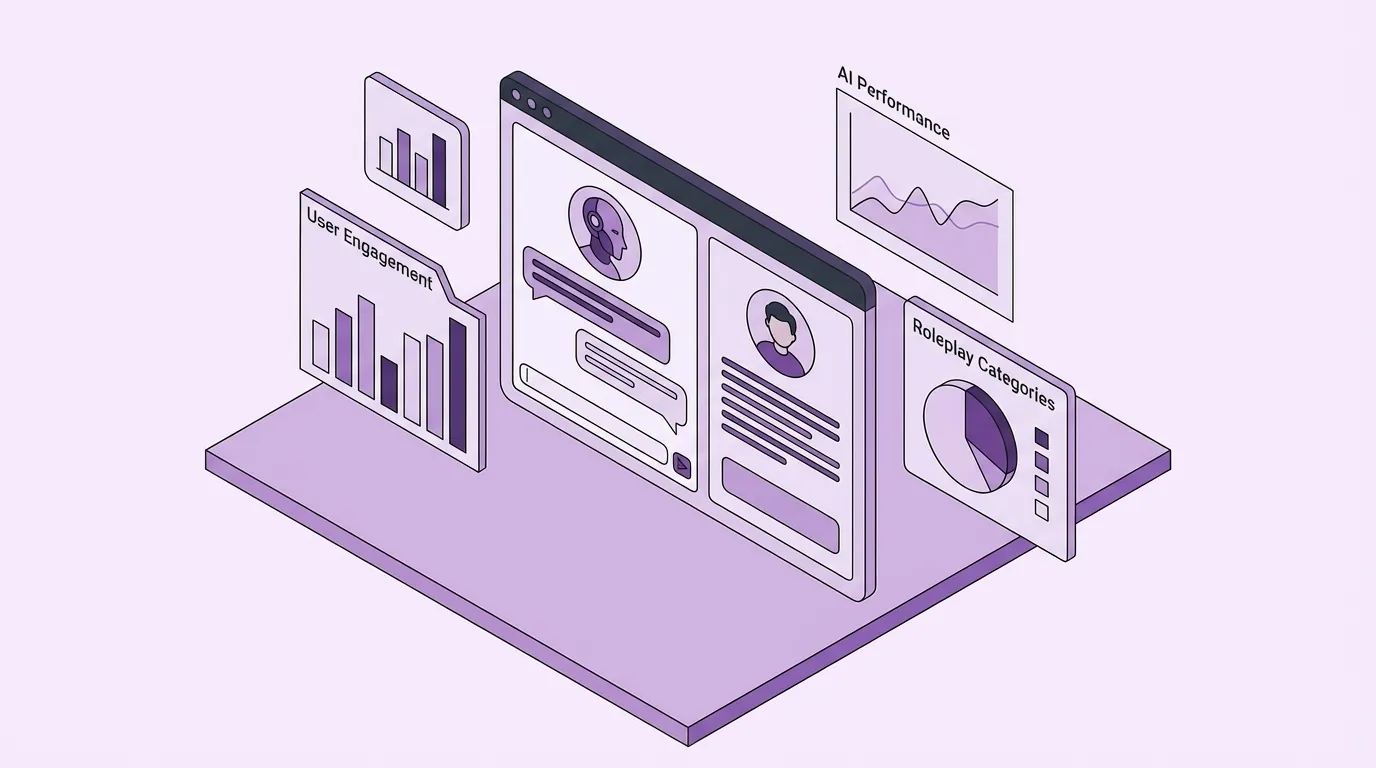
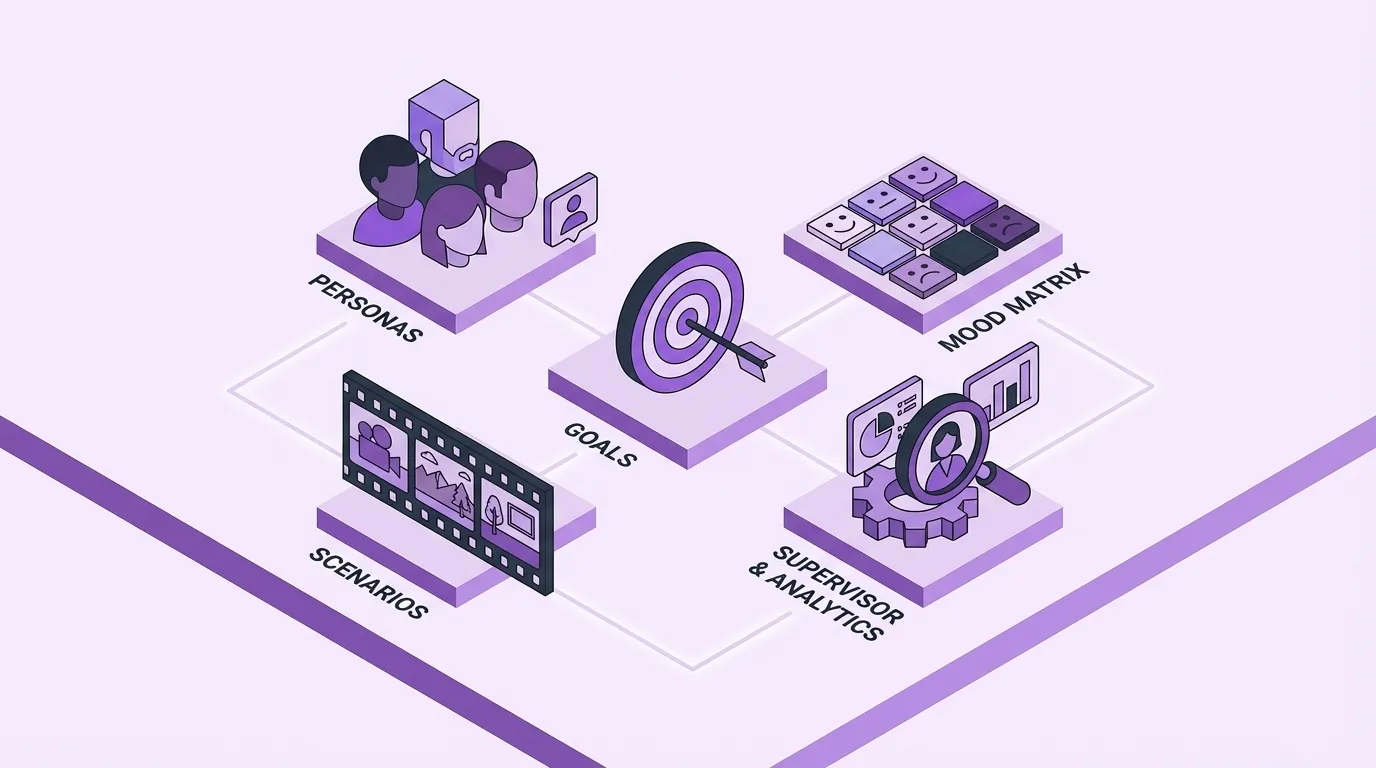
Under the hood there are a few key pieces:
- Personas – the “who”
- Scenarios – the situation
- Goals – what each side is trying to get out of the conversation
- Mood & Mood Matrix – how the “customer” feels and how that changes
- Supervisor & Analytics – what gets measured and when
Let’s unpack that in normal language.
Personas vs. scenarios: Lego bricks for people problems
We split the “pretend customer” into two parts.
Personas: the character
A persona is the person your rep is dealing with. For example:
-
“Grumpy manufacturing engineer with decades-old equipment.”
- Loves technical detail
- Wanders off into irrelevant science trivia
- Proud of how they’ve kept a Frankenstein system running for 20+ years
- Very touchy if you imply their setup is “wrong”
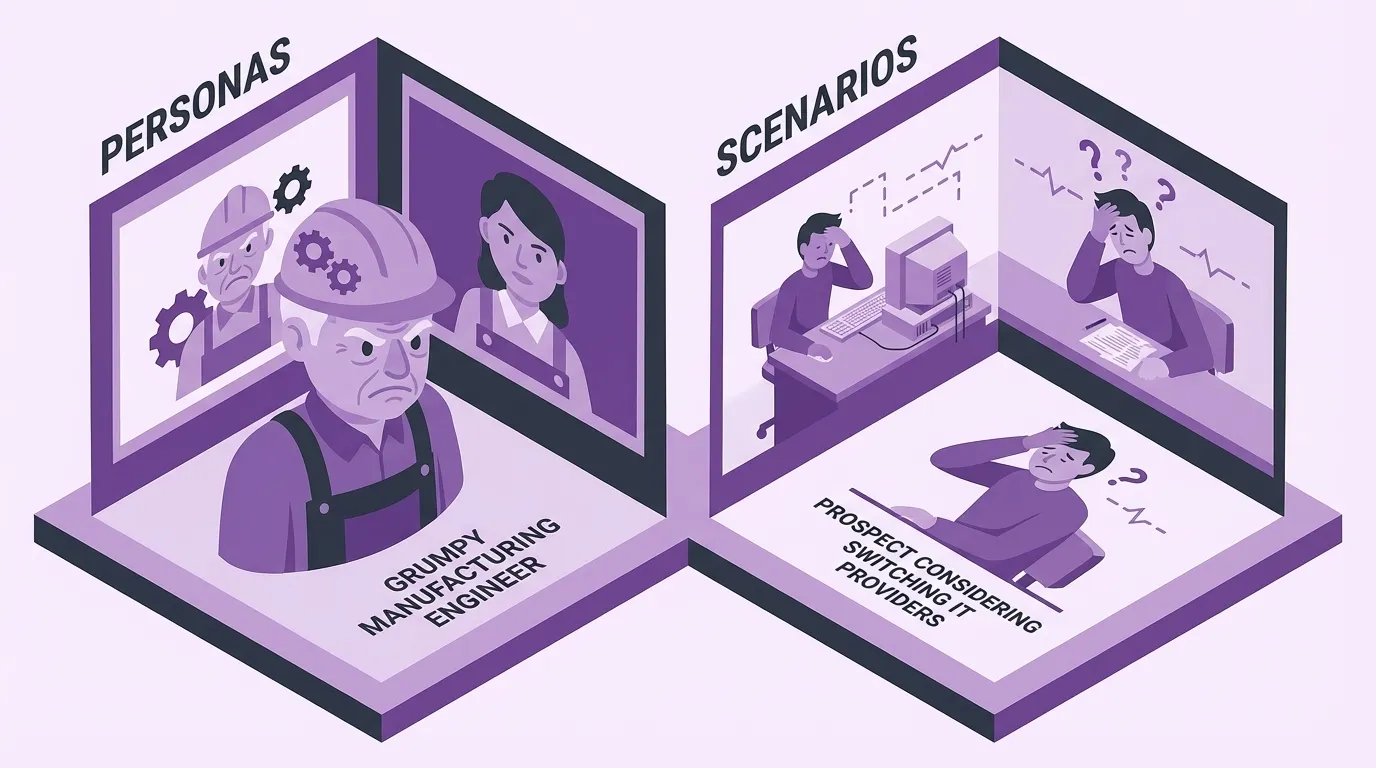
We’re not yet talking about what’s happening in the call. We’re just defining who this person is so we can drop them into different situations later.
Scenarios: the situation
A scenario is the specific situation we’re training:
- “Prospect considering switching IT providers after a bad experience.”
- “Existing customer calling support because their printer is down.”
- “Angry client demanding a discount after a failure.”
The magic of separating these is that we can reuse personas across scenarios:
- The same grumpy engineer can be in a new sales call, a renewal conversation, or a support escalation.
- Or we flip the script entirely and the AI plays the trainer, not the buyer, coaching the rep when they get stuck.
That’s important because it lets you build training around real people you deal with instead of generic “customer avatars.”
Mood sliders: your emotional equalizer
If you look at the “Mood Config” screen, you’ll see sliders for things like:
- Friendly
- Reserved
- Skeptical
- Chaotic
- Combative
Think of these as the starting temperament dials for your pretend customer.
- Angry customer service call? Crank Combative and Skeptical up, lower Friendly.
- Curious but cautious CFO? Medium Friendly, high Reserved and Skeptical, very low Chaotic.
Different scenarios get different starting ranges. You’re basically saying, “When this conversation starts, what kind of day is this person having?”
But the real power isn’t the starting point. It’s that the mood can move.
Mood Matrix: teaching consequences, not scripts
This is where it gets interesting.
Every so many exchanges (say, every 10 back-and-forths), a “supervisor” AI looks at the conversation window (e.g. the last 15 turns) and checks a set of mood rules.
A rule looks like this in the UI:
Rule name: Listens Attentively Trigger guideline: Trainee actively listens to the client’s story about the previous vendor, asking follow-up questions and acknowledging their frustrations. Adjustments:
- Friendly → Increase (Medium)
- Reserved → Decrease (Medium)
- Skeptical → Decrease (Low)
Translated to human:
“If you genuinely listen, ask smart follow-ups, and acknowledge what the client went through with the last vendor, they warm up. They talk more. They’re less suspicious.”
We also encode the opposite.
For example:
Rule: Gives vague answers to direct questions
If the AI is playing a buyer:
- Skeptical ↑↑
- Reserved ↑ The buyer shuts down, gets cagey, maybe combative.
If the AI is playing a trainer:
- Friendly ↑
- Reserved ↓ And it shifts into a more educational mode, filling in gaps.
These rules are what make the conversation feel like a real person on the other end, not a polite FAQ. Your behavior has visible consequences.
You can even see this afterward in a mood timeline:
In one real call we modeled, you see Combative steadily climbing and Friendly dropping off a cliff exactly at the moment the rep called the client’s legacy system “a liability.” The client couldn’t just rip it out; their whole business depended on that niche setup until a planned replacement years down the line. They felt insulted, and the rep kept pushing.
That conversation is now literally a rule:
“Trainee listens to the client’s story about their systems, asks follow-up questions, and acknowledges the realities and constraints.”
If they don’t, skepticism and frustration spike. Reps can practice that same “boss fight” over and over until they learn to navigate it differently.
What a session looks like for a rep
On my brother’s team it works like this:
-
The rep logs into a course – say “Reframing Objections” or “Active Listening.”
-
The course contains a few hand-picked persona + scenario combinations.
-
They talk to the AI by voice. Under the hood there’s a multi-stage AI setup: one model handles real-time conversation; another plays the “supervisor,” watching for patterns and applying the mood rules.
-
At the end they see:
- Which goals they hit or missed (e.g. Did you uncover budget? Did you confirm next steps?)
- A mood timeline showing how the customer’s attitude changed over time
- Comments compared against team expectations (“You’re strong on discovery, weak on handling legacy-system objections,” etc.)
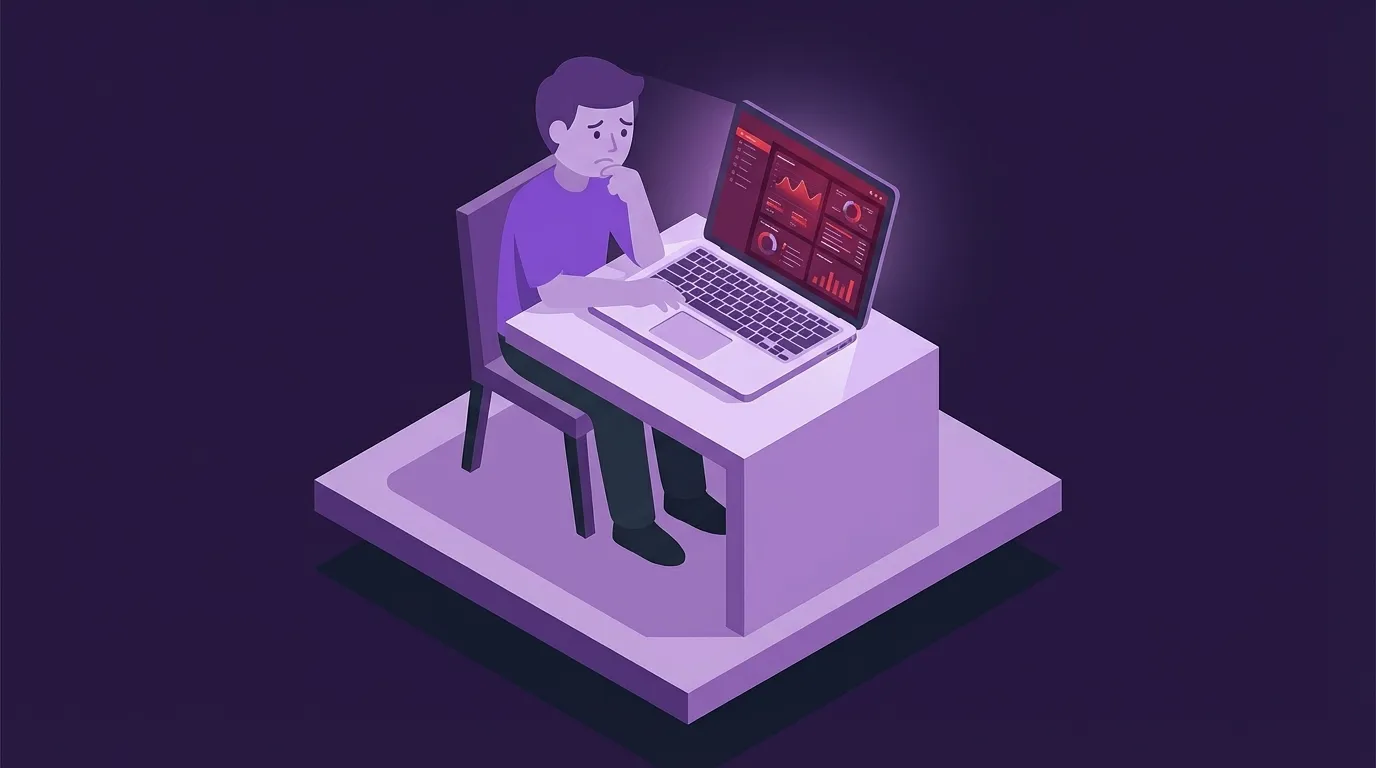
They can re-run the same scenario to see if they can shift that mood curve and hit more goals next time.
Closing the loop: from real calls to remedial training
We don’t want this living in a vacuum, so there’s another AI listening to actual call recordings.
When it sees a rep’s “grade” in a particular area drop below a threshold—say, active listening, reframing, or handling a specific type of objection—it recommends a course that targets that weakness.
Two important points:
-
This is not about surveillance. The whole idea is to give the employee a tool where they can both train and measure their own progress. They don’t have to wait for an annual review and a mystery verdict. They can see, week by week: “I used to tank every time someone mentioned our competitor. Now I don’t.”
-
It’s based on real conversations, not theory. We can import real-world recordings, anonymize them, amalgamate multiple calls into a single scenario, and generate personas and mood rules from that. You import, we build, you tweak.
If you start from real examples, you get real training.
What this means for a 40–60 person company
For a typical 50-person company with a team of 4–8 reps, this has a few practical consequences:
-
You free up senior time. For a 10-person team, just three hours of role-play per rep per month is effectively one week of a senior person’s month destroyed in little chunks. Offloading the repetitive scenarios to AI gives you that week back.
-
You harden skills against turnover. Right now, a lot of your “this is how we handle tough calls” lives in one or two people’s heads. If they leave, the culture goes with them. Encoding real calls into personas, scenarios, and mood rules is a way to turn that tribal knowledge into an asset.
- You quietly improve morale. As an employee, if I can see my data and I’m given tools to improve, that’s powerful. It’s the opposite of being surprised in a performance review by something nobody told me about.
“Isn’t this overkill for my team of four reps?”
I hear this a lot from smaller teams.
The honest answer: the smaller the team, the more the risk when you lose someone and their way of handling conversations walks out the door. This kind of system is one way to have the AI help establish and preserve your culture, even while the team is still small.
The other common objection is:
- “Won’t this make training too robotic?”
- “We don’t have time to design all these personas and rules.”

That’s why we leaned hard into real recordings. You don’t start from a blank screen and invent fake buyers. You start from your calls, with your customers, with all their quirks. We auto-build the first draft of personas, scenarios, and mood rules. You just tweak them.
How to start without boiling the ocean
If you’re thinking, “Okay, I want something like this,” the right way to start is tiny:
- Pick one real call. Ideally one that went sideways in a very teachable way.
- Turn it into one persona + one scenario. Let the AI do the first pass; you edit for accuracy.
- Run it with your team and ask for candid feedback. “Does this feel like the kind of person you actually talk to? What’s off?”
If you don’t involve your team, they won’t use it. If you start with their reality, they’ll immediately see the point.
From there, you can add more scenarios, wire it into your call recordings, and start turning those painful one-off moments into reusable training assets.
If you’re in that 15–250 employee range and you feel like your company’s “people skills” live in a couple of brains and some random scripts, this is exactly the kind of thing we built PurpleOwl to do: take the messy, human parts of your business and make them trainable, measurable, and a little less fragile—without burying your best people in yet another meeting.
Keywords
Related Articles
Turning Tribal Knowledge Into a Company Asset
Transform tribal knowledge into a company asset! Learn how to document processes, avoid costly mista...
The MSP That Asked the Right Question
Learn how MSPs can stay relevant in the AI era by focusing on workflows over tools, building governa...
The Software Company for Businesses in the Middle
Outgrown off-the-shelf software? Discover how PurpleOwl creates custom solutions for mid-sized busin...