
Scattered Data Across Multiple Systems Is Making It Impossible to Get the Insights You Need
Discover how disconnected data across your business is costing you time & money. Learn to identify hidden inefficiencies and consolidate for growth.
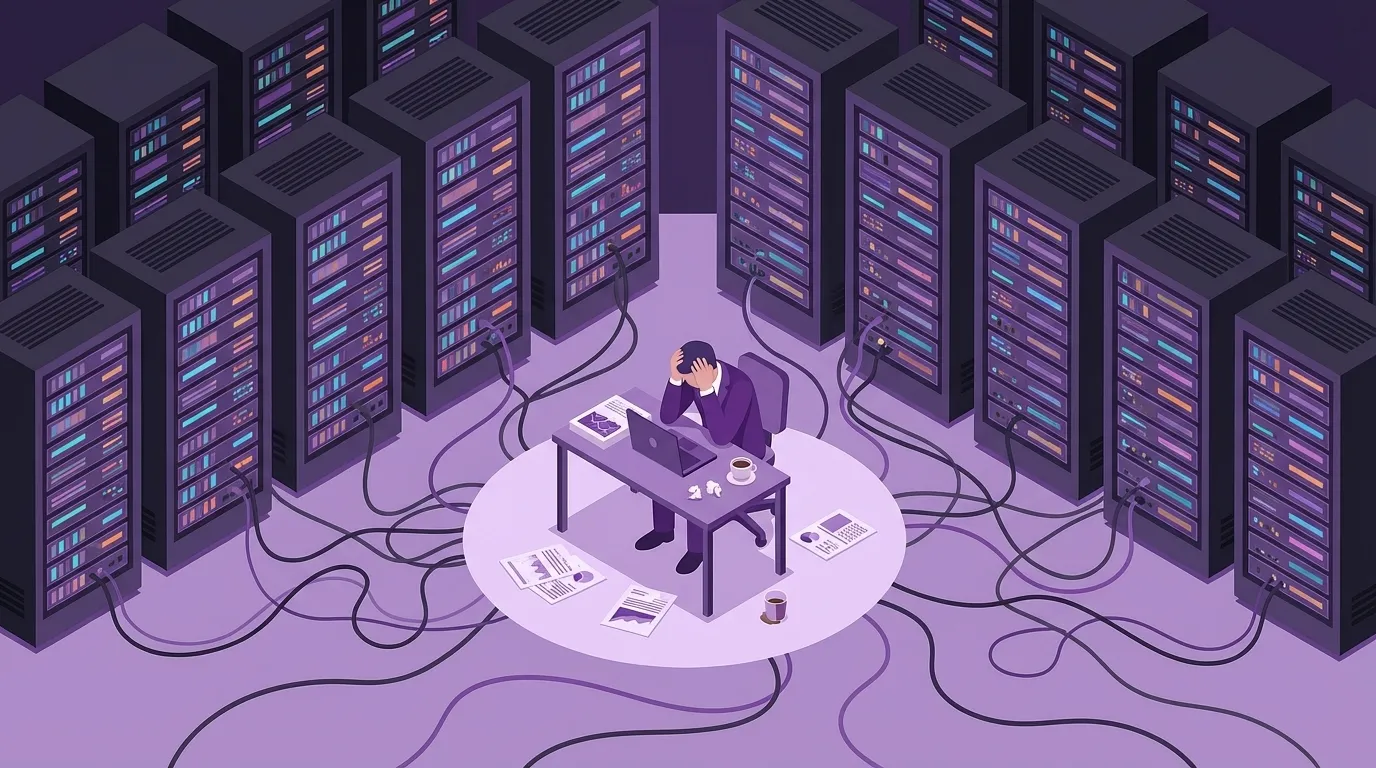
If you run a company with 15 to 250 employees—especially around that 40 to 70 person sweet spot—you've felt this pain even if you can't name it. Every department has their own tools. Some are actual software. Some are spreadsheets masquerading as software. All of them are silos built around a very specific purpose, and none of them talk to each other.
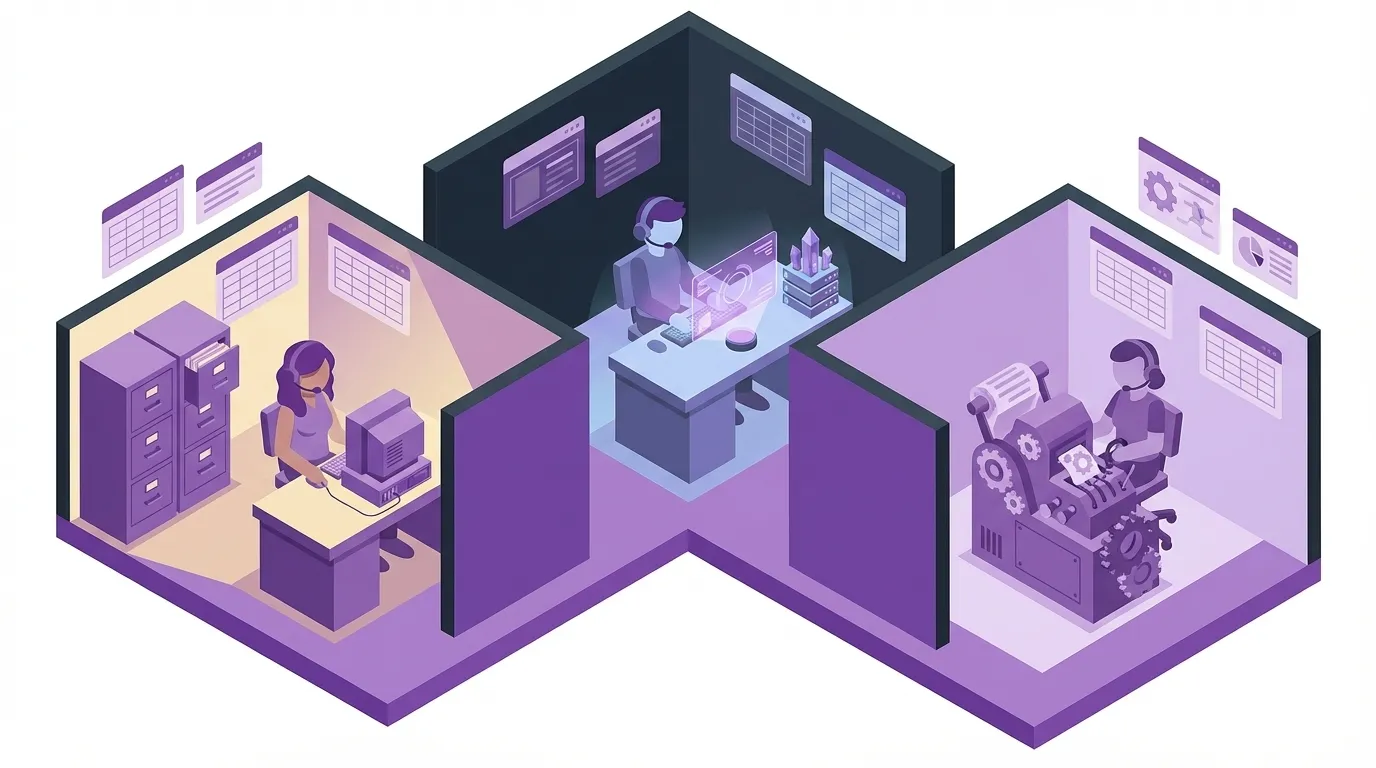
You have a ticketing system. You have an inventory system. You have an accounting system. But the system that makes tickets, inventory, and accounting work together? That doesn't exist. So your people become the integration layer instead.
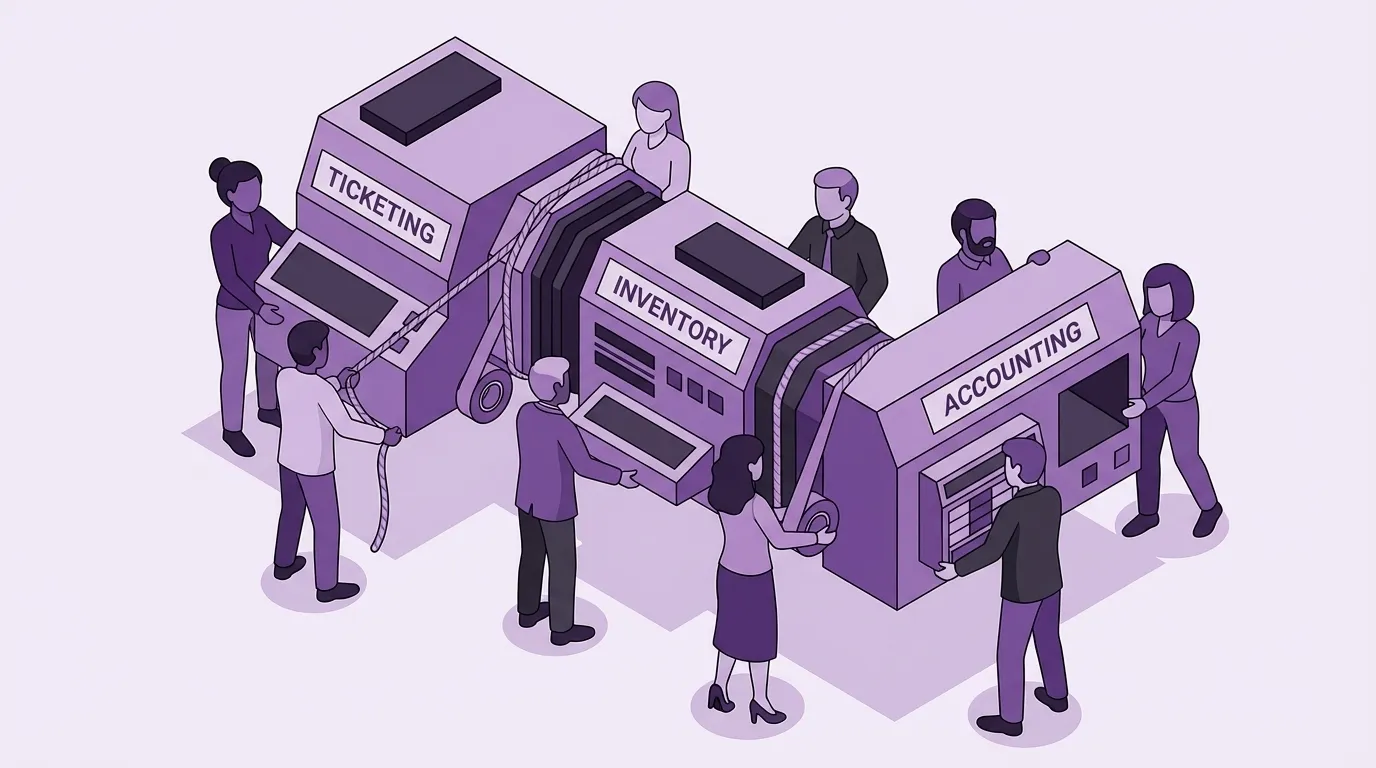
And that works fine until it doesn't.
The Human Integration Layer Is Your Most Expensive Mistake
Here's what happens in small businesses without connected systems: people fill the gaps. Someone copies data from the CRM into a spreadsheet. Someone else checks that spreadsheet against inventory. Someone converts formats so numbers match between systems. Someone sends a company-wide email hoping the right person sees it and handles the issue.
Computers make errors once in a quintillion operations. Humans make errors closer to once in a hundred. When you rely on human beings to connect your critical business processes, you're asking for things to slip through the cracks.
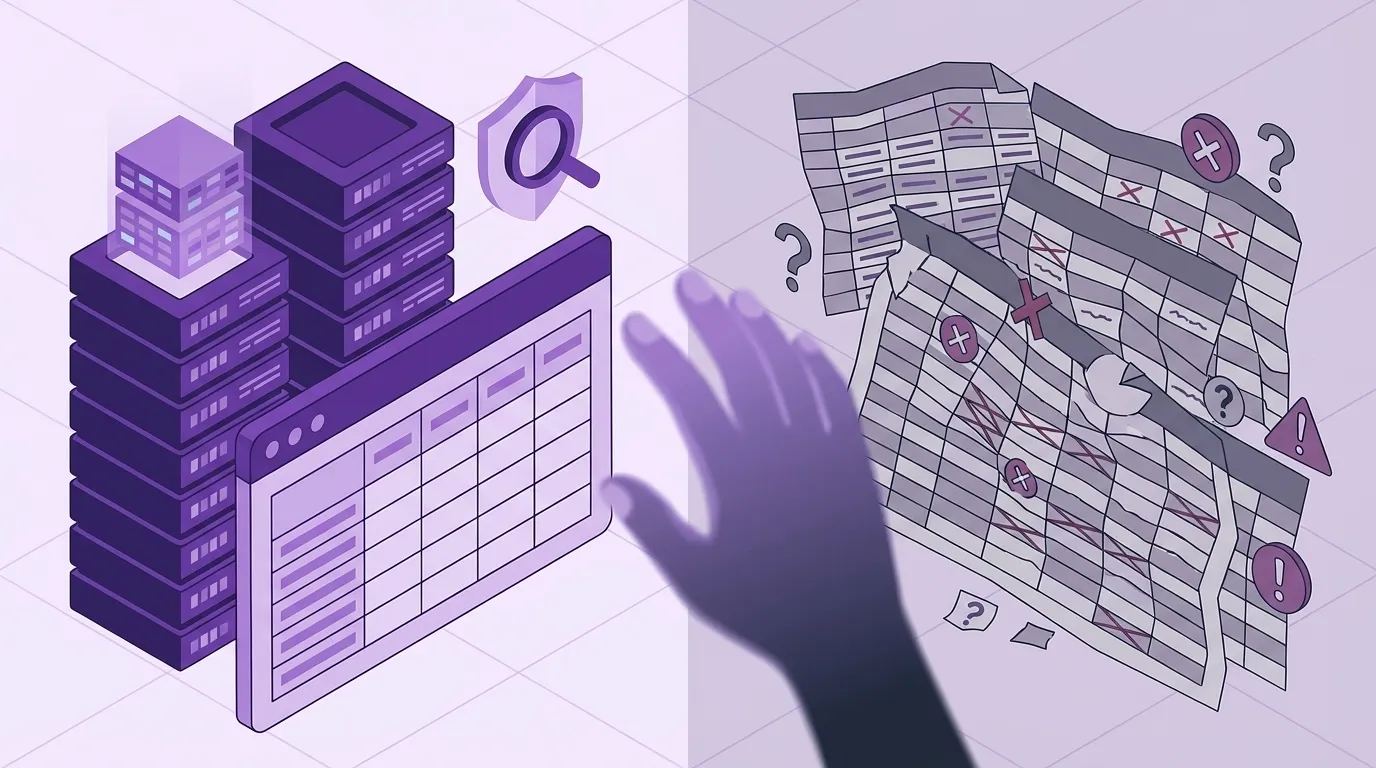
But accuracy isn't even the biggest problem.
The bigger issue is accountability. Did something make it to the new system? Am I looking at the current version of the spreadsheet? Are these the correct sales numbers? If humans are moving data between systems, the answer to all of these questions is "maybe."
As your company grows, this gets exponentially worse. The employees who understand how everything actually works stop doing productive work entirely. They spend their days answering questions, because they're the only ones who know where everything lives and how it connects. Lose one of those people to burnout or a better opportunity, and you've lost institutional knowledge you can't replace.
Sales Screams First
When systems don't talk, which department feels the pain first? Follow the money.
It's almost always sales.

When a customer doesn't receive what they paid for, they don't call operations. They don't call finance. They call the person who sold it to them. Your sales team suddenly becomes a customer support team—except they can't actually support anyone because they have no visibility into operations.
Imagine this scenario: a prospect calls and says they need to know by this afternoon whether you can deliver a specific item. Your salesperson has to wait three days to find out if it's even in inventory. That deal is dead before it started.
Sales can't sell effectively when they're blind to operations. Operations can't fulfill promises they don't know were made. Finance reconciles numbers that don't match reality. Everyone screams eventually. Sales just screams first because they're closest to the customer.
The Three Dumbest Tasks Your Employees Do Every Day
When I work with small businesses, I see the same wasteful patterns everywhere:
The first is copy-paste gymnastics. Data goes from system one to system two, manually, every single time. Someone exports a report, opens another application, and types it all in again. This happens dozens of times per day across the company.
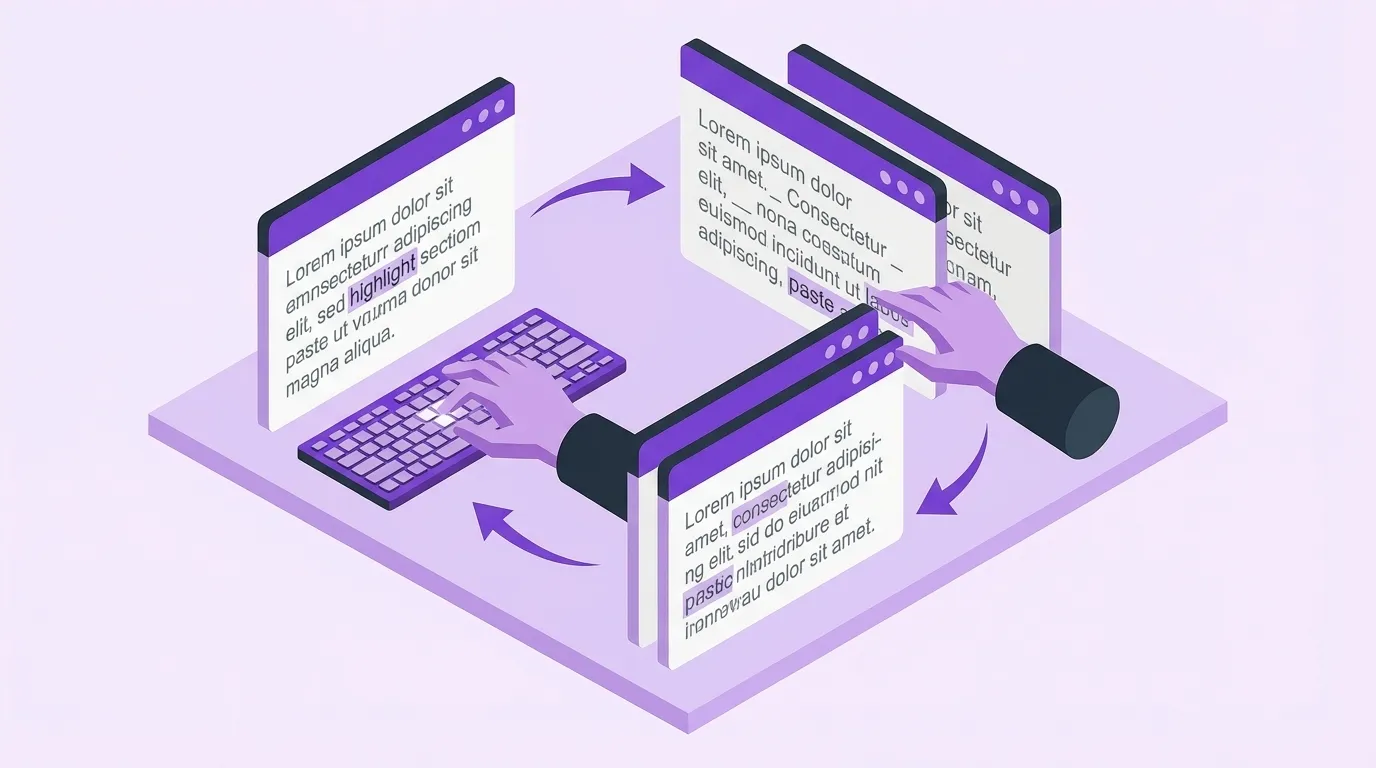
The second is format translation. The data can't just be copied—it has to be adjusted. Capitalization changes. Underscores become dashes. Date formats get converted. Someone spends twenty minutes making sure one spreadsheet matches another spreadsheet's expectations.

The third is the message-in-a-bottle workflow. When there's a problem, someone emails the entire company hoping the right person will see it and handle it. Ten people read the email. Nine of them shouldn't have. The one who should have doesn't respond. Nobody follows up. The issue festers.
These tasks create errors, kill morale, and hide the systemic problems underneath. The worst part? Most owners have no idea this is happening.
Why This Problem Is Worse in 2025 Than Ever Before
Small businesses now create more data than Fortune 500 companies. That sounds counterintuitive until you understand what's happened over the past decade.
Small businesses have become hyper-specialized, filling increasingly tight market niches. Competition in these niches has intensified. Customer expectations have accelerated—people want real-time answers, not "I'll get back to you in a few days."
Meanwhile, every department adopted their own SaaS tools. Marketing uses one platform. Sales uses another. Operations has their own. Finance has three. HR has two. Everyone has spreadsheets. Remote work multiplied the fragmentation.
The result is a sprawling ecosystem of disconnected data that nobody can see completely, nobody owns fully, and nobody can manage effectively. What used to be annoying is now existential.
You Can't Fix What You Can't See
When we start working with a new client, we don't diagnose scattered data. We map it. There's an important difference.
Diagnosis assumes you know what's wrong. Mapping reveals what's actually happening.
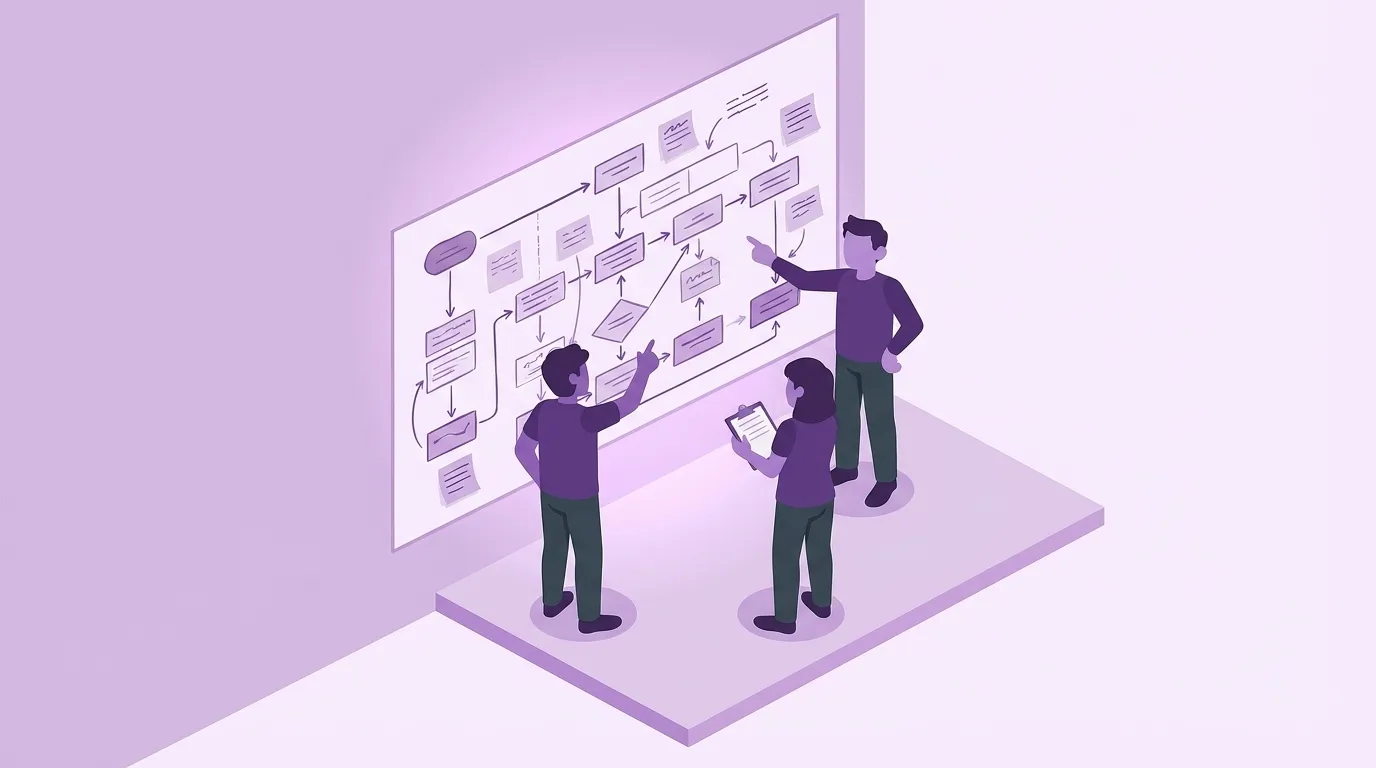
The process is simple but tedious: walk every person through their day, step by step. What do you open first? Where do you get your numbers? What do you update? Where does that information go next? Who depends on you? Who do you depend on?
This requires talking to almost everyone. But it uncovers things no amount of software evaluation ever would. You find ten versions of the same thing scattered across three systems. You find processes the owner never knew existed. You find workarounds people built years ago that everyone forgot about but still run every day.
Half the time, the owner discovers that half their business processes were completely invisible to them. Not broken—just unknown. In a 50-person company, no owner can follow every interaction. Employees quietly fill gaps and build shadow systems just to keep things moving.
The Integration Fantasy
The biggest misconception about scattered data is that you can fix it by integrating your existing systems.
This almost never works.
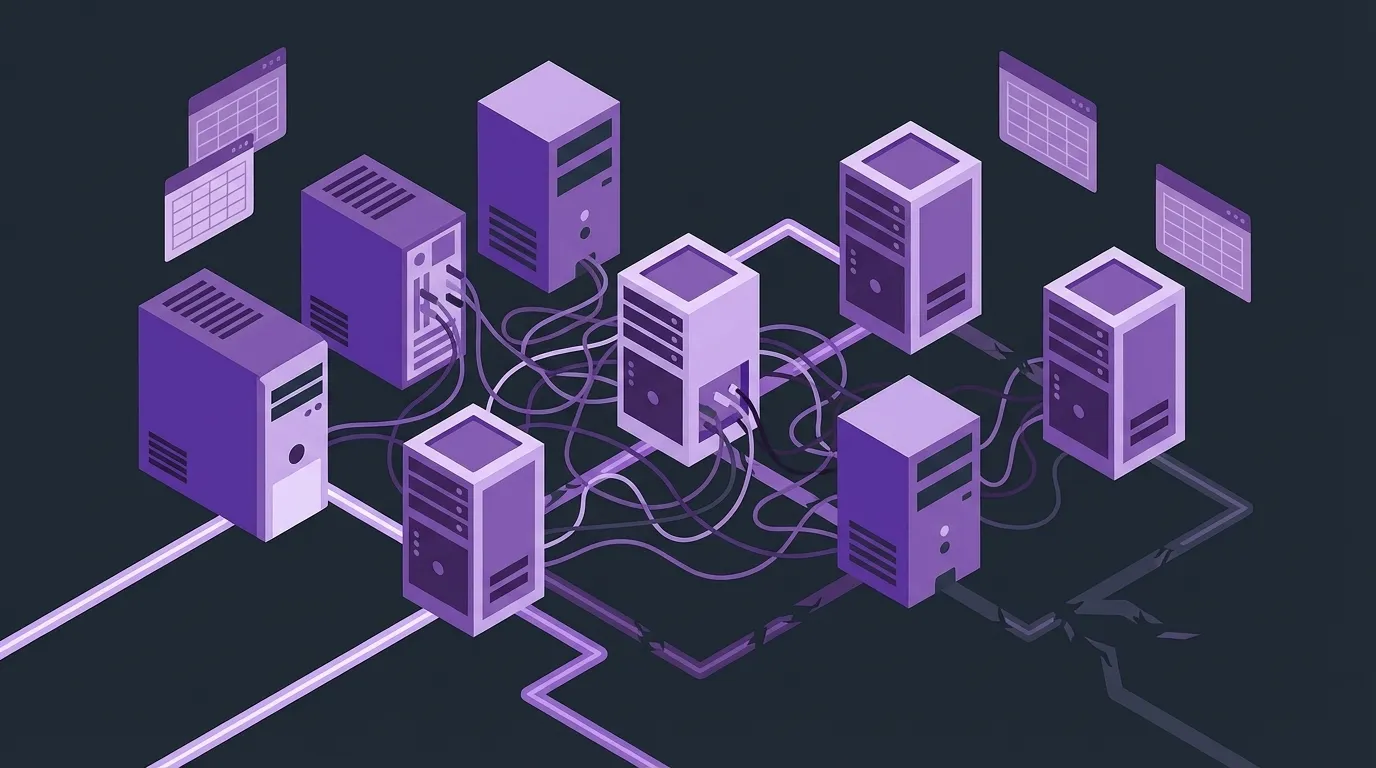
Integration between multiple systems looks beautiful on a whiteboard. In reality, it creates fragile connections that break when requirements change. You connect two systems. Then someone needs one more thing, so you add another connection. Then another. Soon you have a complex web that requires constant maintenance and breaks whenever anything in any system changes.
The integration needs to happen at points where information exchange is minimal and resilient. But that's rarely how it goes. Companies throw integrations at problems as afterthoughts, and the result is a system that falls apart if someone sneezes.
For small businesses, the better answer is usually consolidation into a single source of truth—one place where data lives, one version of reality, one operational flow that reflects how the business actually works.
What Changes When You Get It Right
When a business finally consolidates scattered data into a unified system, the first thing that changes is visibility. You see problems you didn't know you had. You measure things you couldn't measure before.
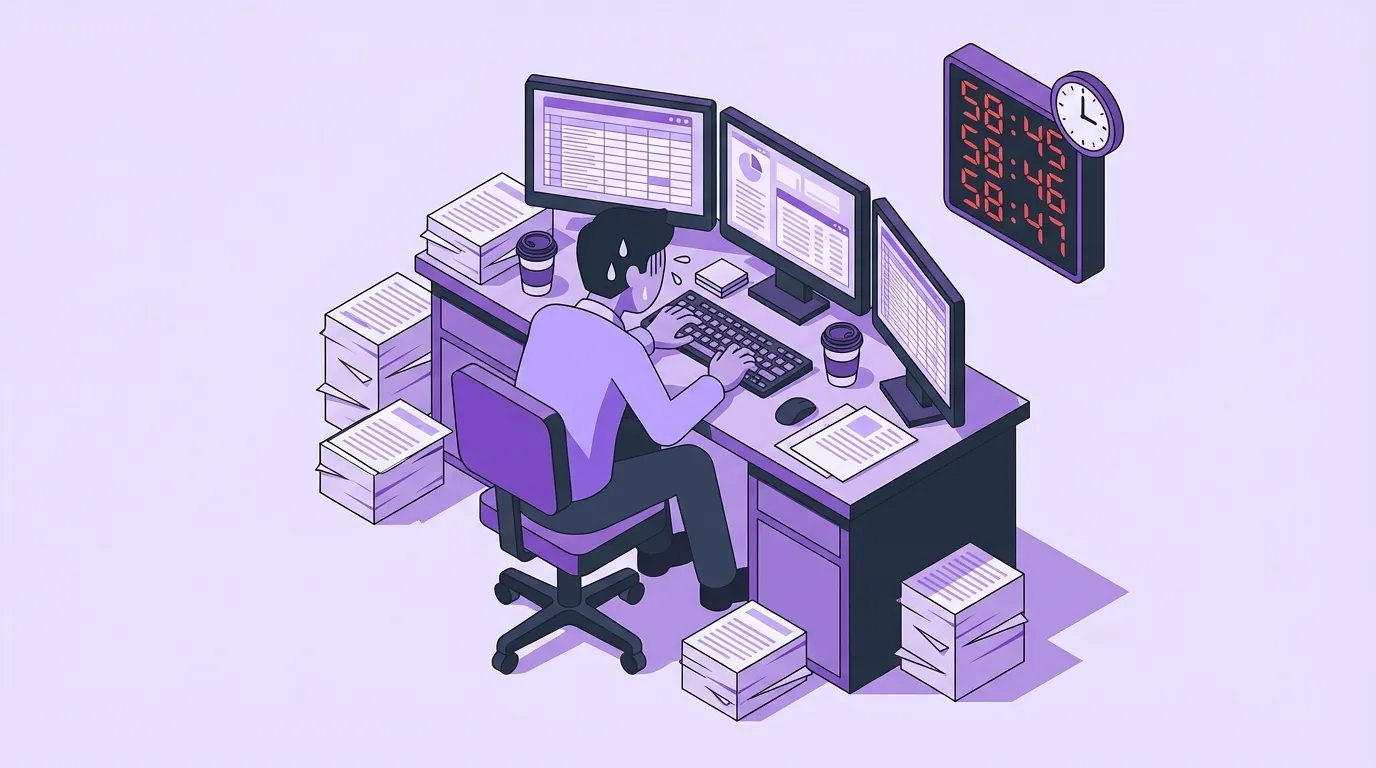
If you can't measure it, you can't manage it. But more importantly, if you can't see what your people are doing all day, you can't remove the invisible burdens crushing them.
Onboarding gets easier because the software matches the business instead of forcing people to adapt to the software. Stress drops. Turnover drops—sometimes dramatically. Employees feel like they matter because you've removed the meaningless manual labor nobody knew they were doing.
The best outcome I see consistently is growth. When you finally know where you stand and what needs to happen next, you can stop reacting and start building intentionally.
Where to Start
If you're reading this and thinking "this is us"—don't call a vendor. Don't start evaluating software. Don't debate build versus buy.
The first step is simpler: decide whether this problem is worth solving, and whether you're willing to commit the resources to actually fix it.
That means interviewing your team. Mapping real workflows. Understanding how many hours you're losing. Calculating the cost of doing nothing.
If you want to save thousands of hours a year, a three-hour commitment doesn't cut it. You have to decide this matters before you decide how to fix it.
Once you've made that commitment, then you choose your path forward. But clarity comes before technology. Always.
Keywords
Related Articles
Your People Are the Integration Layer (And It's Costing You Everything)
Is your team acting as human middleware? Discover the 6 hidden patterns of integration failure costi...
One System, One Truth: How a Right-Sized CRM Replaces Spreadsheet Chaos
Ditch spreadsheet chaos! Discover how a right-sized CRM can streamline your 20-80 person company, bo...
How a 40-Person Company Runs Like a 100-Person Company
Stop letting value leak out of your business. Learn how to build systems that amplify your team's ta...